
SEO Vs. Paid Ads: What's Best For Your Business In 2026?
Explore the benefits and drawbacks of SEO and paid ads for your business. Discover what's best for growth in 2026.
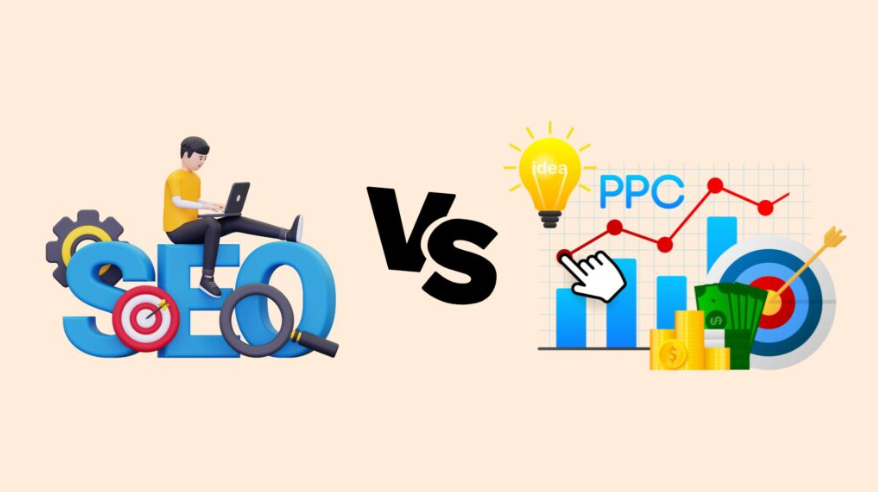
Did you know that nearly 70% of marketers believe SEO is more effective than paid ads? The rising question today is whether businesses should invest in organic search or prioritize paid advertising. Understanding the nuances between these two powerful marketing strategies can be the key to unlocking growth potential for your business. In this comprehensive blog post, we will delve deep into the advantages and disadvantages of SEO and paid ads, explore case studies, and provide actionable insights to help you make informed marketing decisions for 2026 and beyond. By the end, you'll gain clarity on which strategy better aligns with your business objectives and budget, setting you on a path to sustained success.
Introduction to Digital Marketing Strategy
In the landscape of digital marketing, choosing between Search Engine Optimization (SEO) and paid advertising is a dilemma most businesses face. Both options deliver distinct benefits and drawbacks, which we'll explore in detail. As you venture towards 2026, let’s delve into the intricacies of SEO and Paid Ads, understand their implementations, and see how they can drive revenue for your organization.
Understanding SEO
SEO is the art and science of enhancing a website's visibility on search engines. It involves a diverse range of strategies, including keyword optimization, link-building, content creation, and on-page as well as off-page strategies. Here's a comprehensive look at SEO:
Benefits of SEO
1. Cost-Effective: Once established, good SEO practices require less ongoing investment than paid advertising.
2. Credibility and Trust: Ranking higher on search engines instills trust in customers, as they often perceive higher-ranking sites as more credible.
3. Long-Term Results: Organic ranking can yield long-term benefits, as quality content can keep attracting traffic even after the initial investment.
4. Engagement and Experience: SEO is designed to improve website usability, which boosts user satisfaction and engagement.
Effective SEO Strategies
- Keyword Research: Utilize tools like Google Keyword Planner to discover terms your audience is searching for.
- Quality Content Creation: Regularly update fresh, informative, and original content to keep your audience engaged.
- Technical SEO: Optimize website speed, mobile-friendliness, and site architecture to enhance crawling and indexing by search engines.
- Link Building: Establish a robust backlink profile by obtaining links from reputable websites.
The Drawbacks of SEO
While SEO can drive significant benefits, it has limitations as well:
1. Time-Consuming: Results from SEO efforts usually take time to materialize, often months or even years.
2. No Guaranteed Results: SEO is ever-evolving; algorithm changes can affect rankings and traffic unpredictability.
Understanding Paid Advertising
Paid advertising, such as PPC (pay-per-click), is another significant digital marketing strategy. It allows for immediate visibility and potentially faster results compared to SEO.
Benefits of Paid Advertising
1. Immediate Results: Once campaigns launch, businesses can see traffic almost instantly.
2. Targeted Reach: Ad platforms allow you to fine-tune audience targeting based on demographic data, interests, and behaviors.
3. Measurable Results: Performance metrics are clear, offering insights you can leverage to optimize campaigns regularly.
4. Brand Visibility: Paid ads can position your brand prominently within competitive niches.
Effective Paid Advertising Strategies
- Setting Clear Goals: Define what success looks like whether it's traffic, sales, or leads.
- Optimizing Ad Spend: Regularly review your ad performance and adjust budgets for underperforming campaigns.
- A/B Testing: Test different ads simultaneously to see which performs best, then replicate success.
- Retargeting: Implement retargeting ads to bring potential customers back to your website.
The Drawbacks of Paid Advertising
Conversely, here are some potential drawbacks:
1. Cost: Continuous spending on ads can strain budgets, especially if ROI isn’t meeting expectations.
2. Dependence on Advertising: Relying heavily on paid ads without implementing SEO can lead to a quick decline in visibility once campaigns cease.
3. Ad Fatigue: Users may become tired of seeing the same ads, leading to diminished click-through rates over time.
SEO vs. Paid Ads: A Comparative Analysis
When analyzing which method may be better suited for your business, certain factors come into play:
1. Business Goals & Objectives
- For short-term goals and immediate results, consider paid ads.
- For long-term growth and sustainability, invest in SEO.
2. Industry and Competition
- Competitive industries may benefit from a combination of both SEO and paid advertising to dominate searches.
3. Budget Considerations
- SEO may have a higher upfront cost but can save money in the long run compared to sustained ad spending.
- Analyzing cost-per-click rates for your niche can provide insights into whether paid ads are worth the investment.
4. Required Expertise
- Depending on your team’s digital marketing expertise, you may need to hire professionals to effectively execute SEO or paid advertising strategies.
The Future: A Balanced Approach
As we approach 2026, it's clear that a balanced digital marketing approach may be the path forward for most businesses. Leveraging both SEO and paid ads offers a comprehensive strategy that caters to immediate and long-term objectives.
- Integrating SEO and Paid Ads: Consider using paid ads to support new content launches—bringing in immediate traffic that can later be maintained organically through SEO.
- Continuous Learning: Advanced SEO strategies and ad techniques are ever-changing. Stay updated with industry best practices and emerging technologies.
Conclusion: Where Do We Go From Here?
Ultimately, the decision on whether to prioritize SEO or paid ads depends on your specific business goals, target audience, and budget constraints. By combining both strategies effectively, you enhance your chances of achieving business success in the competitive landscape of digital marketing. Request a FREE consultation with a Digital Marketing Expert at Digital eSource to help clarify which strategies can work best for your unique situation. Embrace the journey ahead and equip yourself with the tools necessary for sustained growth!